

Acoustical Solutions to Shape Sound
-
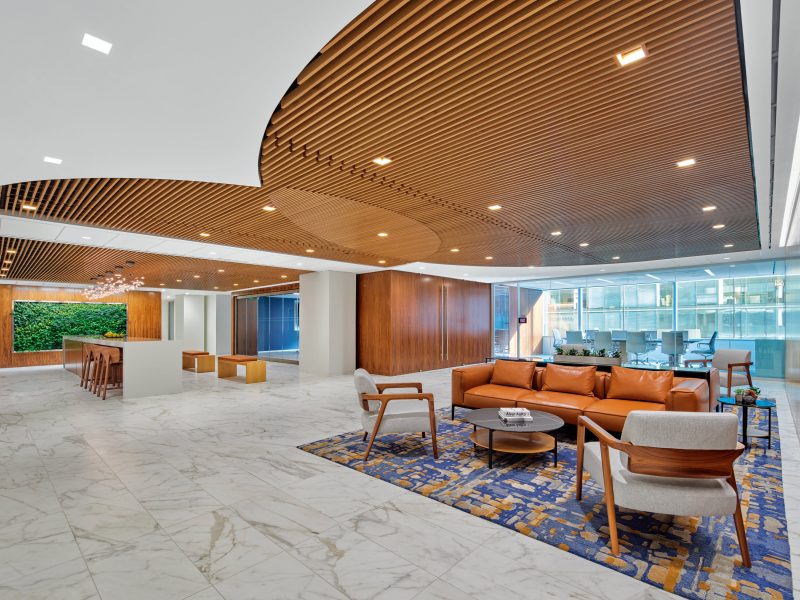
Continuous Ceilings
Acoustics for Wide Open Spaces – and Private Ones
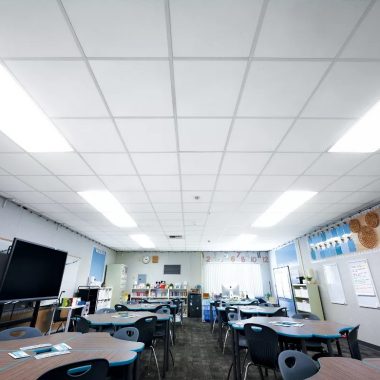
For continuous ceilings, a combination of sound absorption and sound blocking is best to reduce noise and improve speech privacy. Armstrong TOTAL ACOUSTICS ceilings provide the ideal combination of sound absorption and sound blocking in one ceiling panel. With Total Acoustics ceilings, you’ll have the flexibility to meet acoustical needs as the space evolves.
NRC + CAC = TOTAL ACOUSTICS
High-NRC ceiling tiles are highly sound absorbing for a variety of applications, such as large open office spaces, auditoriums, or any space where a short reverberation time and same room speech intelligibility are essential
-
Exposed Structure Applications
Acoustical Solutions for Industrial-Look Spaces
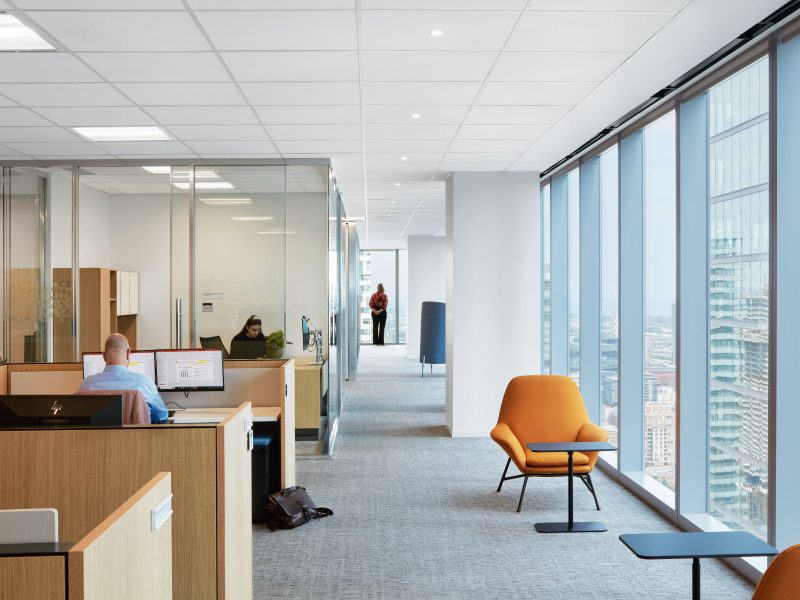
Exposed structure spaces with no ceiling can create acoustical problems – noise distractions can make the modern workplace less effective and less productive, inhibit students’ ability to learn, and cause dissatisfaction among restaurant clientele struggling to hear and be heard.
Attach treatments to decks and hide them or bring sound-absorbing design into the space.
Achieve the best of both worlds – optimized experiences in the workplace, educational facilities, and hospitality venues – with the right look and less noise in your open ceiling space.

-
Wall Solutions
Enhance Design and Acoustics with Walls & Partitions
Acoustical wall treatments offer an additional option to further reduce noise. Measures for walls are stated in STC and NRC values. Adding wall treatments, in addition to an acoustical ceiling, can improve reverberation time by 87%.




Acoustical Solutions for Every Space
View All Segments >


Tools and Education


Frequently Asked Questions
Balance Acoustic Performance With Architectural Design
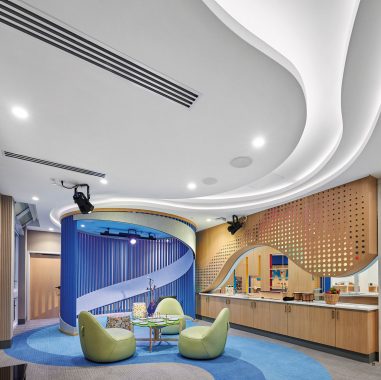
Acoustic performance should enhance not compete with the architectural vision.
Armstrong acoustic ceiling and wall solutions provide architects and designers with options to coordinate acoustic requirements with ceiling geometry, material selections, lighting, mechanical systems, color palettes and other interior elements.
From understated acoustic solutions that integrate seamlessly into the ceiling plane to visually expressive treatments designed to become architectural features, Armstrong helps project teams maintain design intent while addressing acoustic requirements.
What should architects consider when specifying acoustic wall panels?
Architects should consider the acoustic objective, required sound absorption, panel placement, room geometry, architectural integration, finish, color, durability, installation method and coordination with other building systems. Wall panels should be evaluated as part of the room's overall acoustic strategy rather than selected solely on appearance or NRC.
How can acoustic performance be incorporated without compromising architectural design?
Acoustic performance can be integrated into the architectural concept through coordinated ceiling systems, wall treatments, exposed-structure solutions, colors, textures and other design elements. Armstrong provides acoustic products with a range of aesthetic options so project teams can address performance requirements while maintaining design intent.
Can Armstrong assist with product selection?
Yes. Armstrong provides resources and project support to help architects, designers, consultants, contractors and owners evaluate commercial acoustic solutions. Project teams can work with Armstrong to review acoustic requirements, product performance, design considerations and available technical resources.
What technical resources does Armstrong provide for acoustic specifications?
Armstrong provides commercial project resources that can include product specifications, technical documentation, CAD and BIM resources, product data, installation information, acoustic performance information, samples and other specification support materials.
How does Armstrong support commercial projects from design through construction?
Armstrong supports commercial project teams with product information, specification resources, technical documentation, design tools and project assistance. This allows architects and designers to evaluate solutions during design, consultants to assess performance, contractors to coordinate installation and owners to make informed decisions about long-term facility performance.